At The Ghia Gab, where We Speak Karmann Ghia, we occasionally wander into territory that feels almost philosophical.
Today’s topic?
Convertible top bows.
Specifically… wood versus synthetic.
Wood Is Good
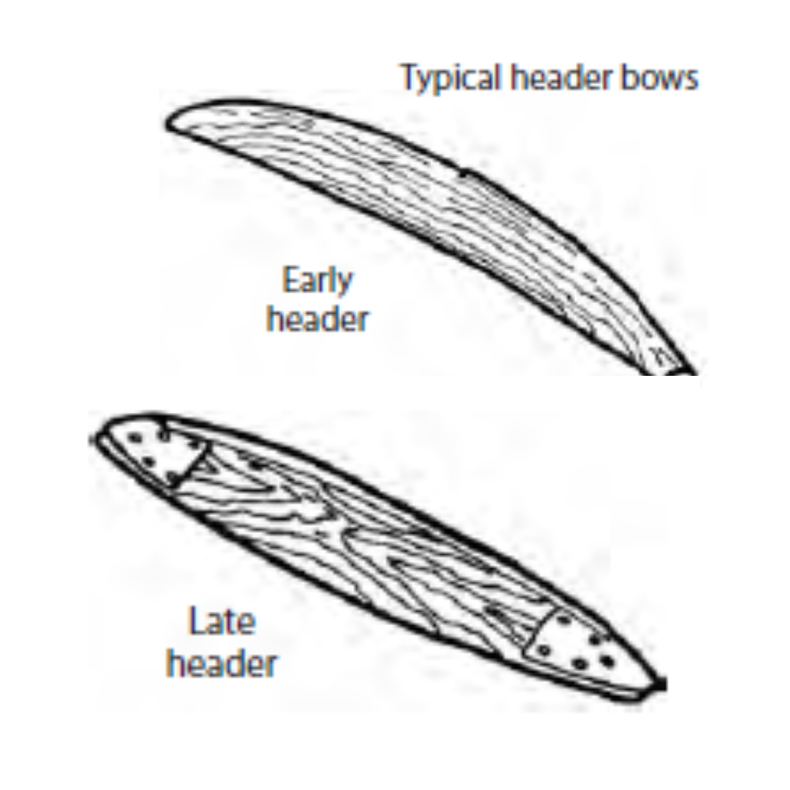
Wooden top bows are what Karmann originally used on the convertible Volkswagen Karmann Ghia.
And there’s a reason.
Wood has charisma.
Wood has character.
Wood has mystique.
It’s beautiful. It feels right. It belongs in a hand-crafted German convertible designed in the 1950s.
It is also more expensive.
Enter the Synthetic Side
Since the first polyester fig leaf, humanity has debated natural versus synthetic materials. No harmony in Eden then. No harmony now.
Top bows are no different.
Plastic and synthetic bows have their supporters. And to be fair, there are a few points both camps agree on:
-
Thousands of synthetic bows have been successfully installed.
-
Synthetic bows look crude compared to finely grained wooden bows.
-
Synthetics cost less — sometimes a lot less.
-
If the price were the same, very few people would choose synthetic over wood.
Beyond that? Most arguments are built on emotion and personal bias.
So What’s the Real Question?
This isn’t really about whether synthetic bows “work.”
They do.
The real question is:
What kind of restoration are you building?
If your goal is function on a tighter budget, synthetics can get the job done.
If your goal is authenticity, craftsmanship, and honoring the way Karmann built it, wood is difficult to beat. The look, the grain, the feel — it simply belongs.
Choose with Intention
There’s no shouting match here.
Just clarity.
Wood is original.
Synthetic is economical.
Both have been used successfully.
But when you lift the top on a properly restored Ghia and see those finely shaped wooden bows underneath, you understand why Karmann chose what they did.
And around here, details matter.
Because at House of Ghia,
We Speak Karmann Ghia.